
Strategy
Instagram Reels Automation: Scale Your Short-Form Content
By Mediasynth Team
|
8 min read
|
February 28, 2026
TL;DR
Instagram Reels automation cross-posts AI-generated short-form video to Reels alongside TikTok and YouTube Shorts so one production pipeline feeds three platforms. This guide covers the technical setup, posting cadence that the algorithm rewards, and how to avoid the duplicate-content penalty across platforms.
Instagram has pushed Reels to the center of its platform. Reels now account for the majority of new reach on Instagram, and the algorithm heavily favors accounts that publish them consistently. For creators and brands, this is both an opportunity and a challenge: the opportunity to reach new audiences through short-form video, and the challenge of producing enough content to stay visible.
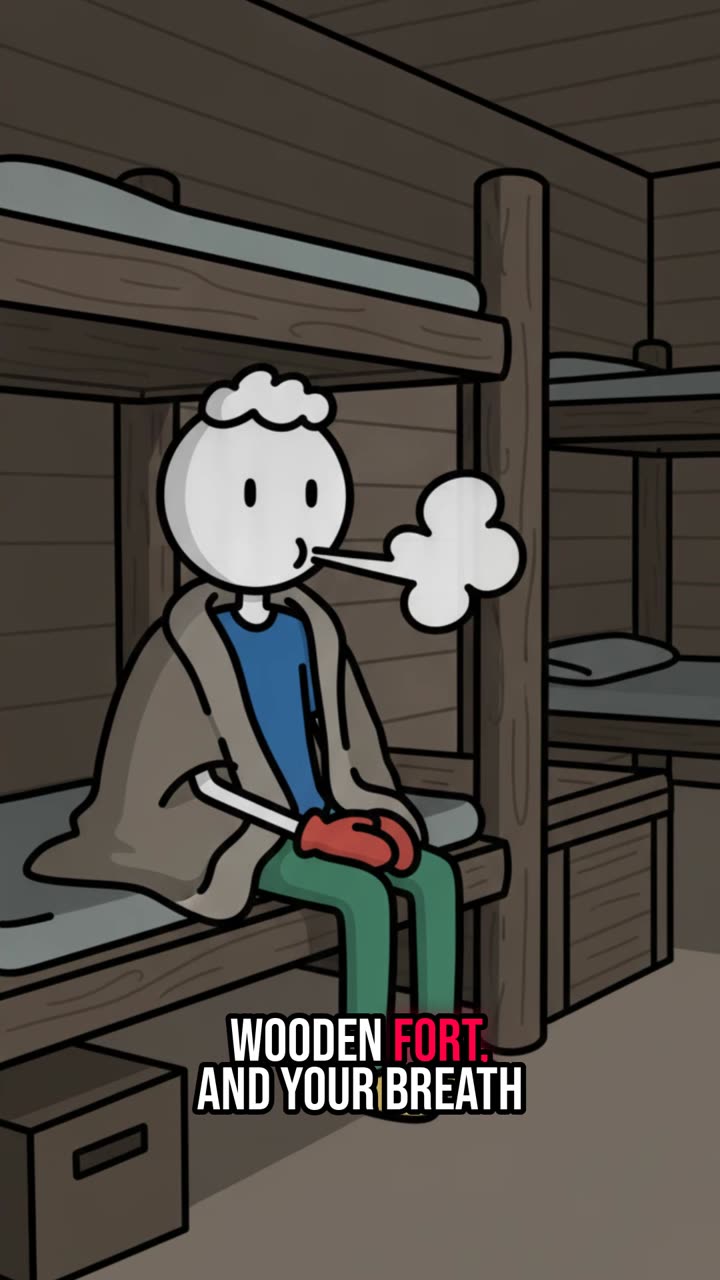
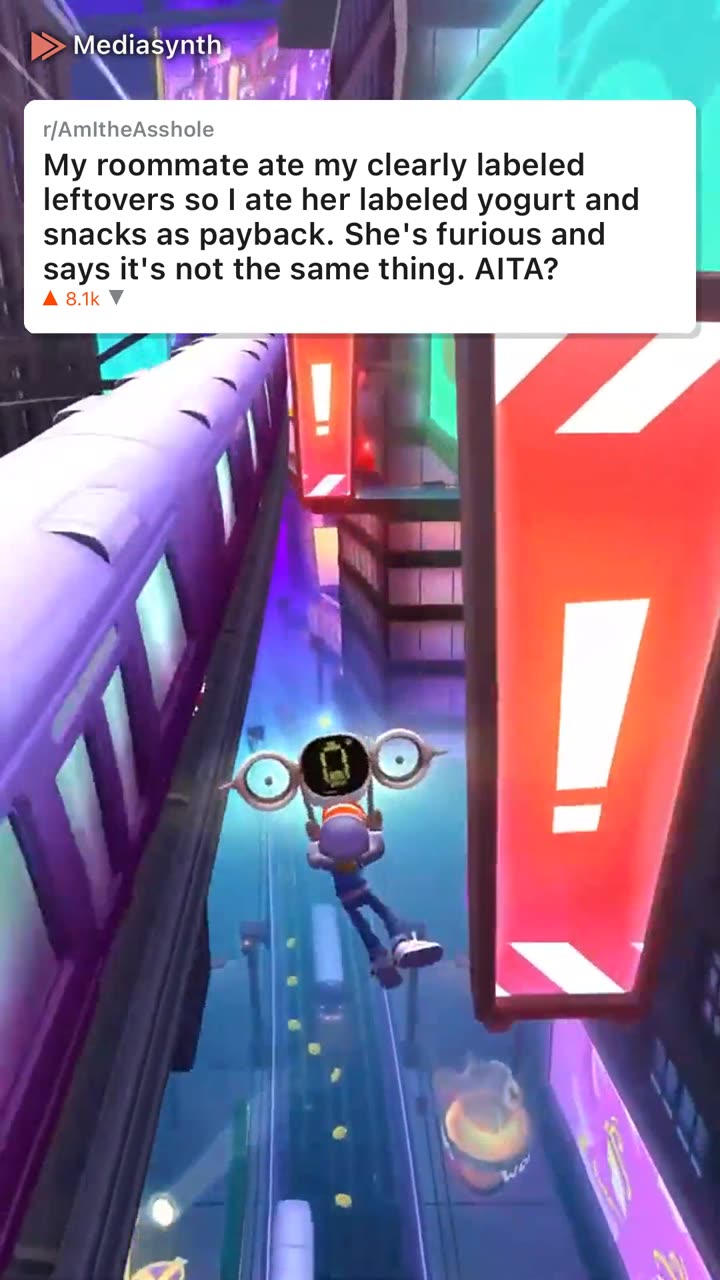
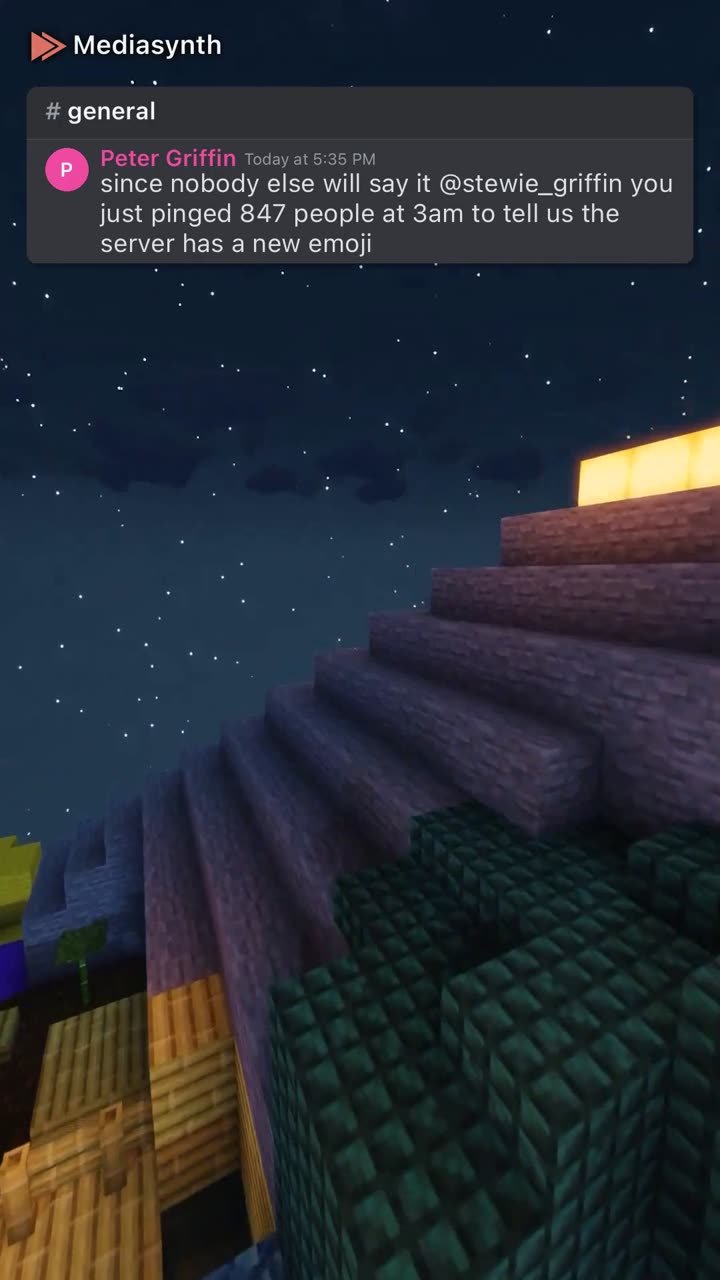
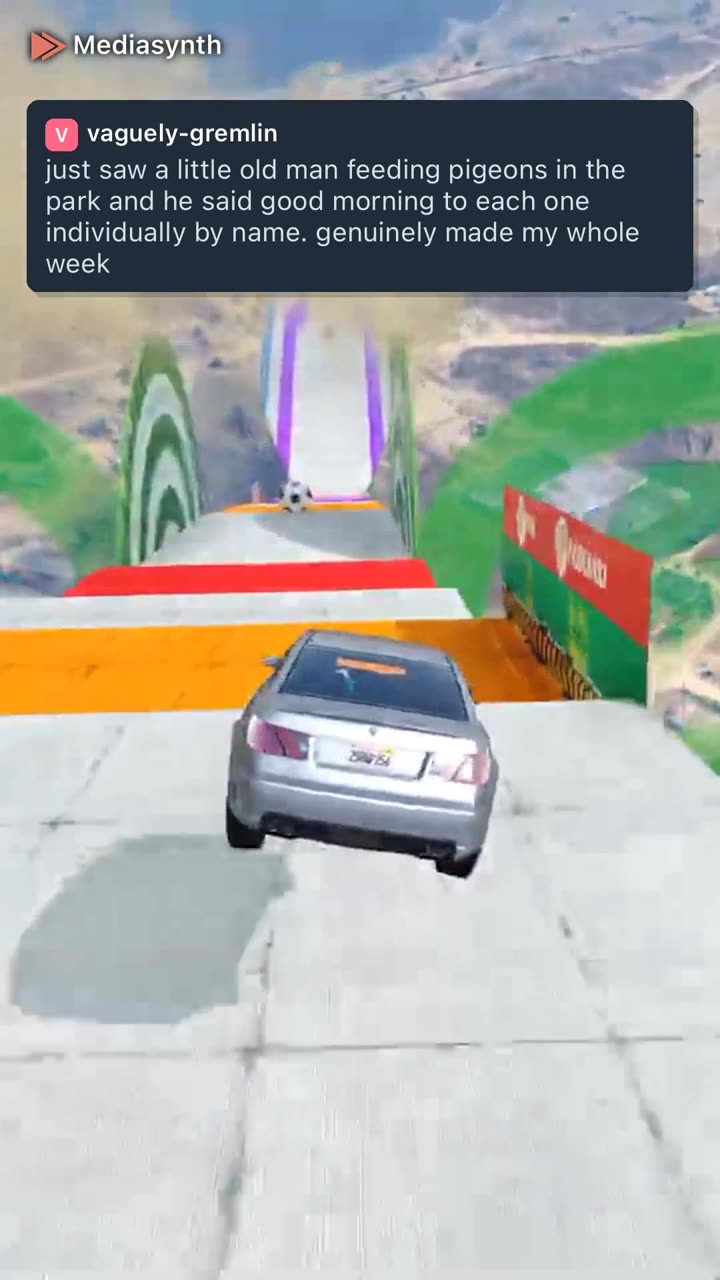
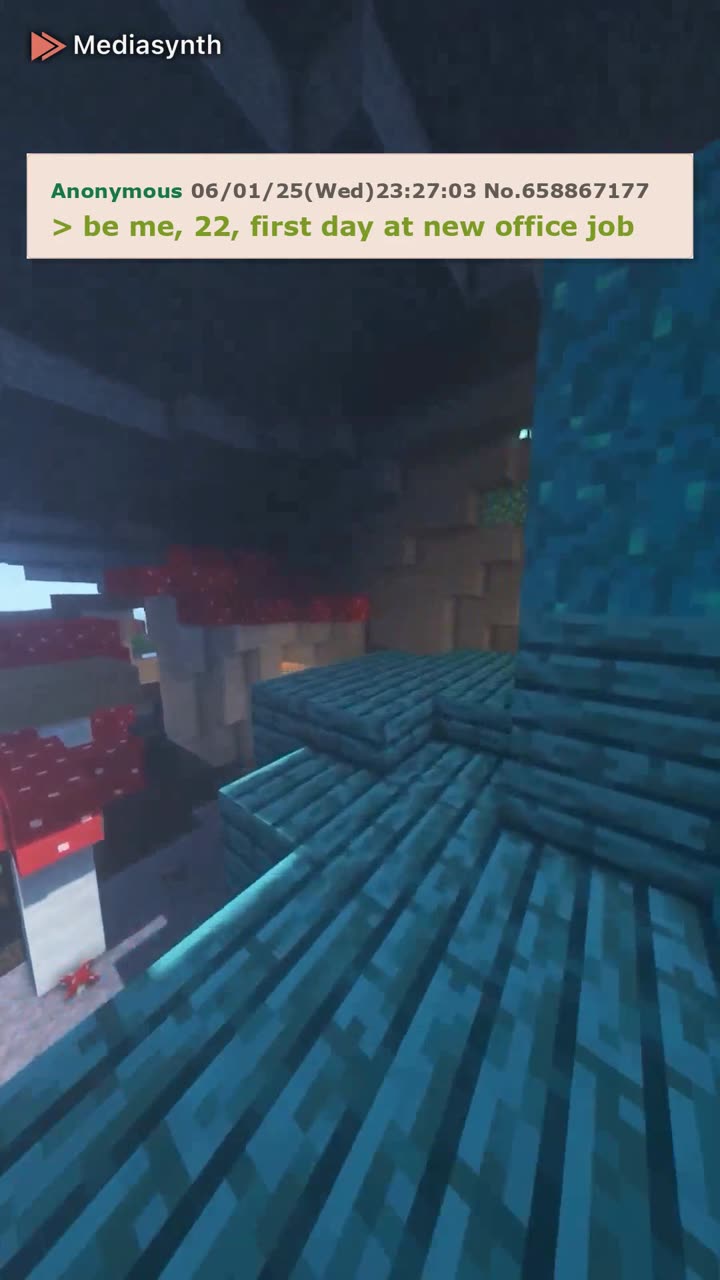
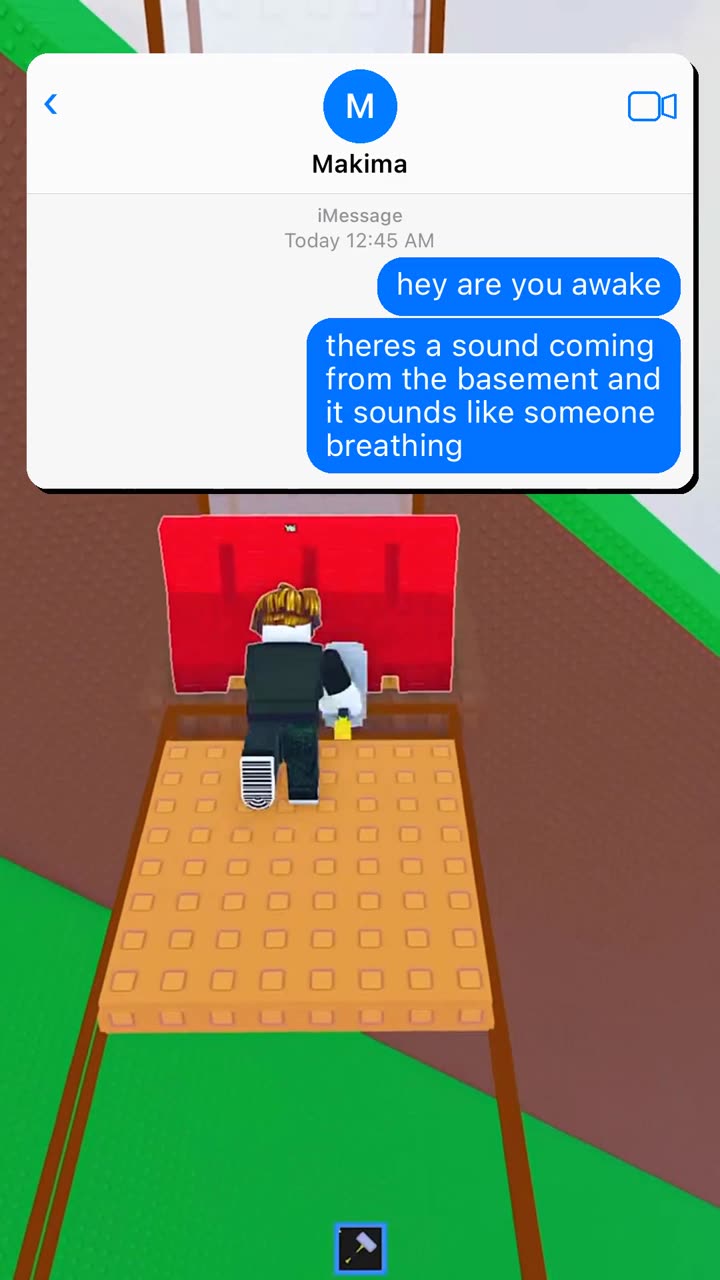
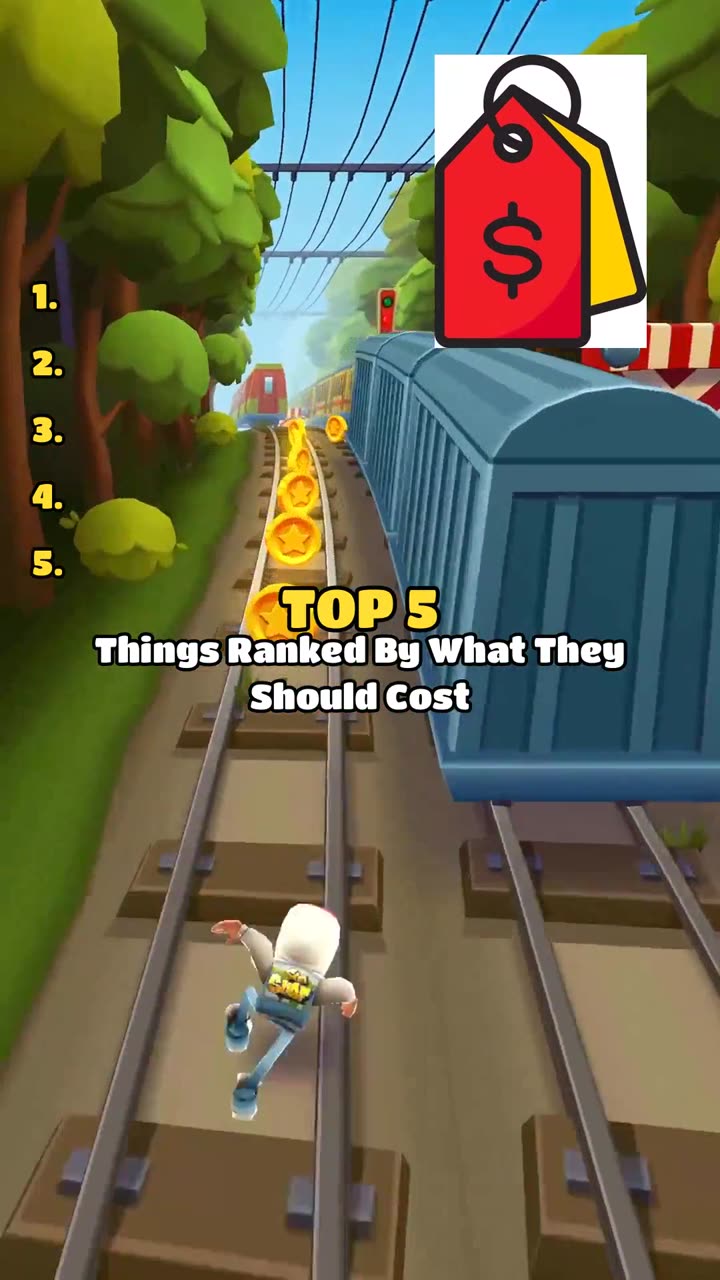
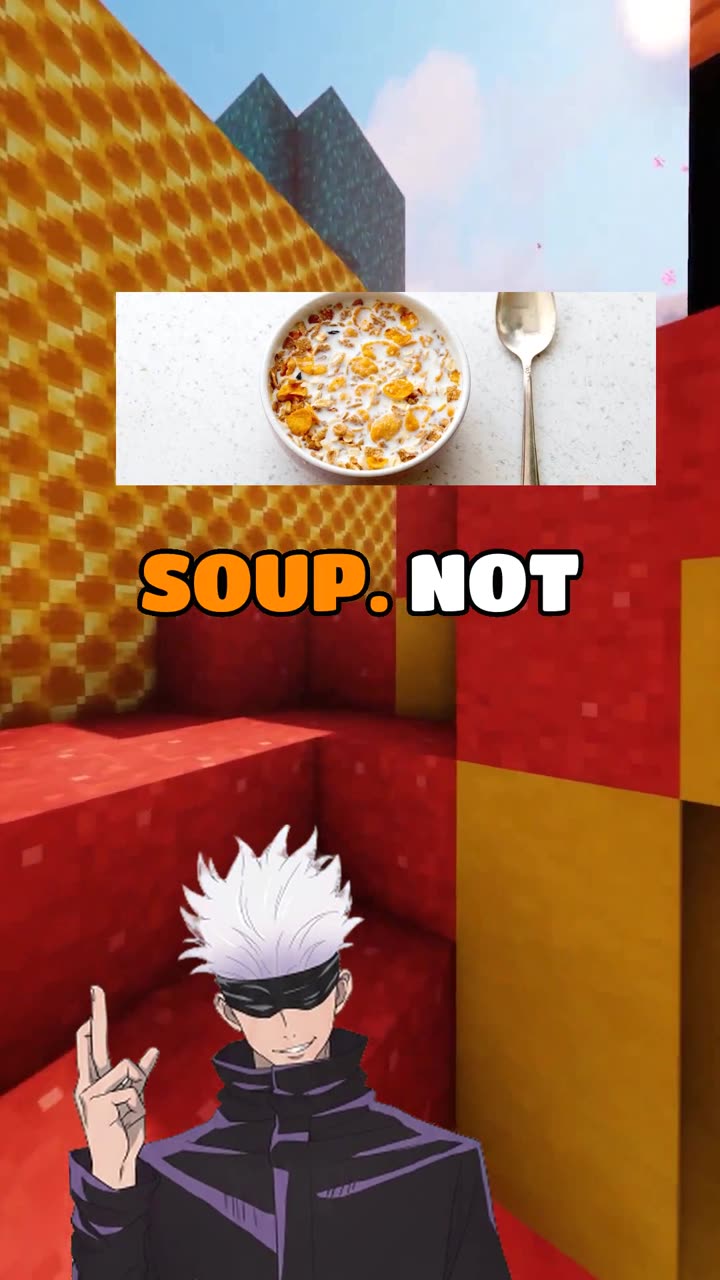
18 Reels-ready formats Mediasynth automates
Each format is rendered vertical, captioned, and ready to publish to Reels.







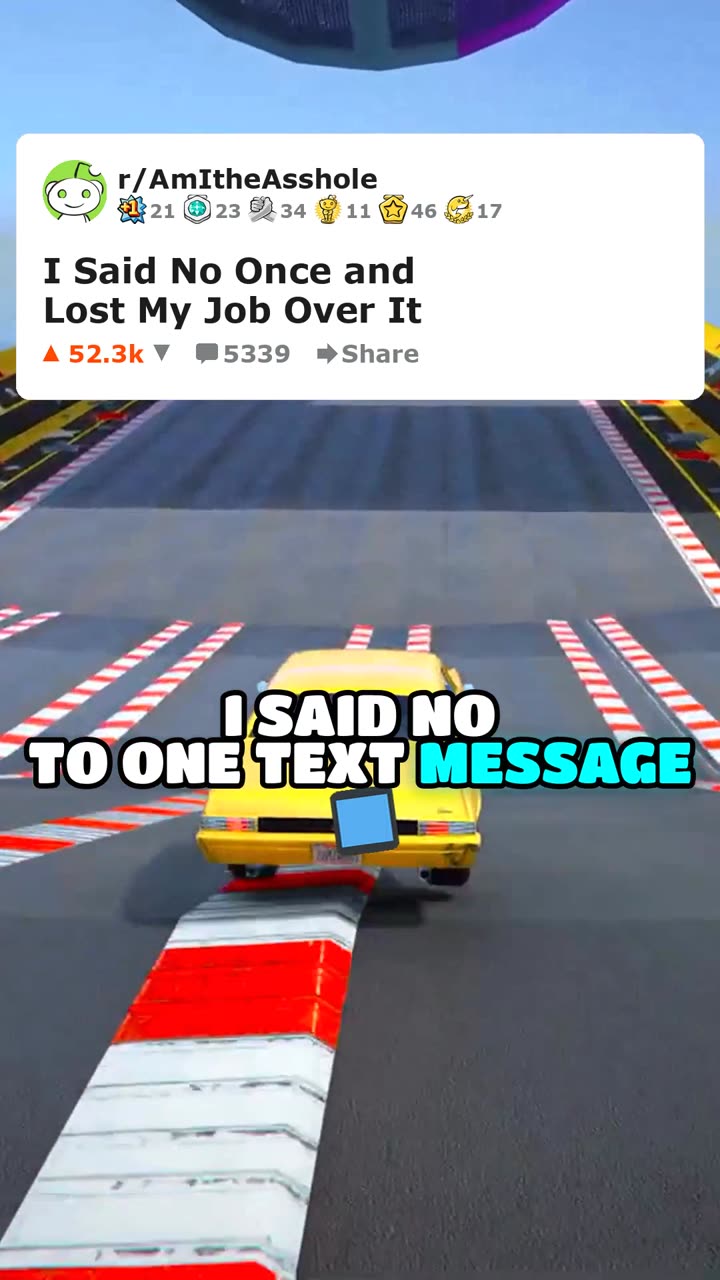

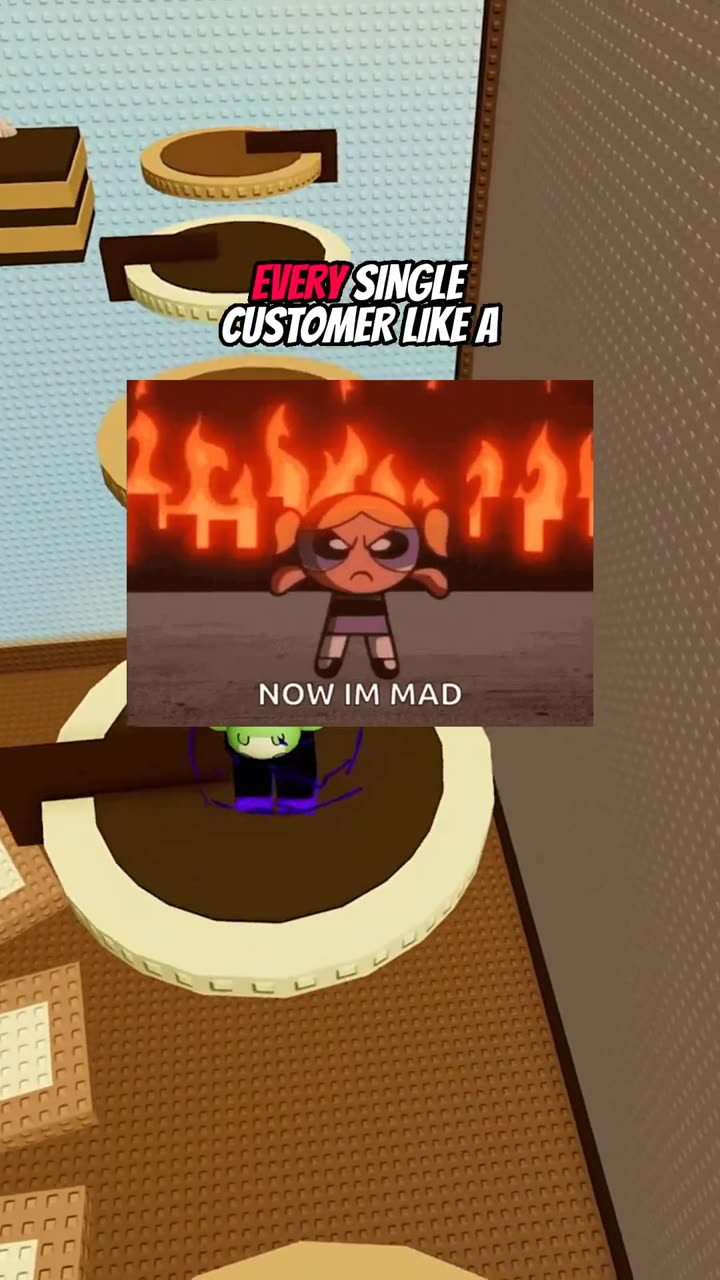
How does the Reels algorithm work?
Understanding what Instagram optimizes for helps you create content that the algorithm wants to distribute.
- Watch time. The percentage of your video that viewers watch is the strongest signal. Short, engaging content that keeps people watching to the end outperforms longer videos with high drop-off.
- Engagement velocity. Likes, comments, shares, and saves in the first hours after posting determine how widely the Reel gets distributed. Content that sparks immediate reactions wins.
- Posting frequency. Instagram surfaces content from active accounts more often. Posting 4 to 7 Reels per week is the sweet spot for most accounts.
- Original content. Instagram deprioritizes content that is visibly recycled from other platforms (such as videos with TikTok watermarks). Original or platform-native content gets better distribution.
Why does manual Reels production not scale?
Creating Reels manually is manageable at one or two per week. But the algorithm rewards daily publishing, and most creators also need to maintain a presence on TikTok and YouTube Shorts simultaneously. The production math breaks down quickly: if each Reel takes 45 minutes to produce and you need 5 per week across 3 platforms, that is over 11 hours of weekly production time. For a solo creator or small team, this is unsustainable alongside content strategy, community management, and actual business operations.
How do you automate Reels without losing authenticity?
The common objection to automation is that it produces generic, soulless content. This was true of early tools that relied on stock footage and robotic text-to-speech. Modern AI video generators have moved far past this. Here is what makes automated content feel authentic:
- Custom characters. AI characters with unique visual styles and voice profiles give your content a recognizable identity. Viewers associate the characters with your brand, not with a generic tool.
- Format variety. Mixing dialogues, quizzes, tier lists, and story formats prevents content fatigue. Each format presents information differently and appeals to different viewer moods.
- Niche-specific topics. Automation configured for a specific niche produces content that is relevant and timely for that audience, not generic filler.
- Word-level captions. Professional caption sync is table stakes for Reels. Most viewers watch without sound initially, and accurate captions are the difference between a scroll-past and a view.
Multi-Platform Content Strategy
The most efficient approach to Reels is treating them as part of a multi-platform short-form strategy. One video, generated once, can be published across all major platforms:
- Instagram Reels for discovery and brand building
- TikTok for viral reach and younger demographics
- YouTube Shorts for long-term search visibility and monetization
- Facebook Reels for broader demographic reach
Automated multi-platform posting ensures every video reaches all four audiences without manual uploading. The content is identical, but the reach compounds across platforms. A video that performs moderately on each platform individually can generate significant total views when aggregated.
How do you set up an automated Reels pipeline?
Getting started with automated Reels is straightforward. The process breaks down into a few configuration steps:
- Define your content premise. Choose your niche, set the topic direction, and select the tone. This shapes every video the system generates.
- Configure characters. Select or create AI characters that match your brand. Their voices and visual styles will be consistent across all generated videos.
- Set format weights. Decide what percentage of your content should be dialogues, quizzes, rants, and so on. This creates natural variety in your feed.
- Connect your accounts. Link your Instagram, TikTok, YouTube, and Facebook accounts for automated posting.
- Set your schedule. Choose how often and when videos post. Stagger times across platforms to maximize visibility throughout the day.
How do you measure success?
Track reach, engagement rate, and follower growth weekly. Compare performance across formats to understand what your Instagram audience specifically responds to. It may differ from your TikTok audience. Use those insights to adjust your format weights and topic direction. Automation gives you the volume needed to gather meaningful data quickly, which in turn lets you optimize faster than creators who are still stuck in the production cycle.
Related articles
Format guide
How to Make Reddit Comment Carousels
Step-by-step guide to making AskReddit-style comment carousels — a hook cover, then one Reddit comment per slide — for TikTok Photo Mode and Instagram.
5 min read
|
Oct 24, 2026
Format guide
How to Make AI Carousel Posts
Step-by-step guide to making illustrated photo carousels — swipeable slides — for TikTok Photo Mode and Instagram.
5 min read
|
Oct 23, 2026
Format guide
How to Make AI Story Videos
Step-by-step guide to making illustrated story videos — escapes, heists, hoaxes and legends — for TikTok, Shorts, and Reels.
6 min read
|
Aug 30, 2026
Ready to Automate Your Content?
Start generating AI-powered short-form videos and posting to all platforms automatically. Free to start.
200 free credits · No credit card required
By signing up, you agree to our Terms of Service and Privacy Policy.