
Strategy
10 Short-Form Video Formats That Keep Audiences Watching
By Mediasynth Team
|
10 min read
|
February 20, 2026
TL;DR
The highest-retention short-form formats are dialogue, tier list, quiz, Reddit stories, skit, rant, text message conversations, greentext, and Tumblr threads — each one tuned to a different engagement lever. This guide breaks down when to use each format, what makes them work, and how to mix them so a channel doesn't get stuck in a single rhythm.
The biggest mistake short-form video creators make is publishing the same format over and over. Audiences get fatigued, engagement drops, and the algorithm notices. The most successful channels mix formats strategically, giving viewers different experiences while maintaining a consistent niche and brand. Here are the 18 formats that work, when to use each, and how mixing them creates a content strategy that sustains long-term growth.
The 18 formats covered below
Tap any thumbnail to jump to its dedicated guide.
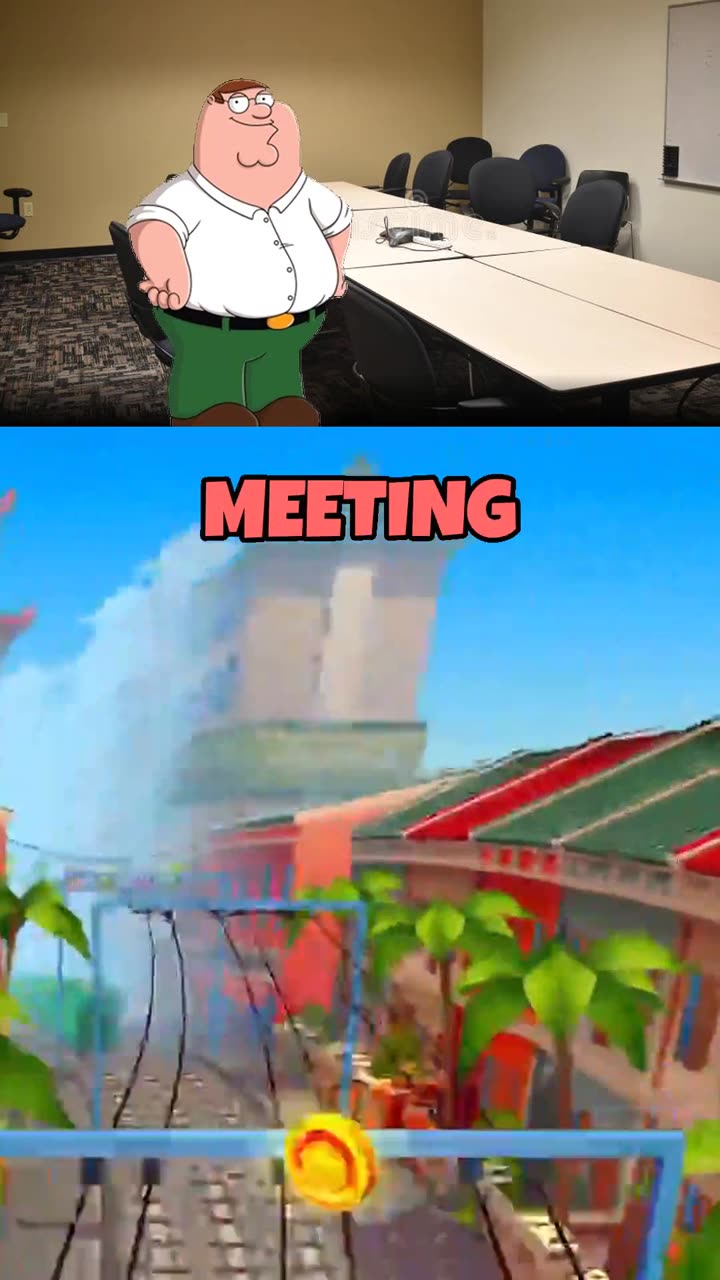
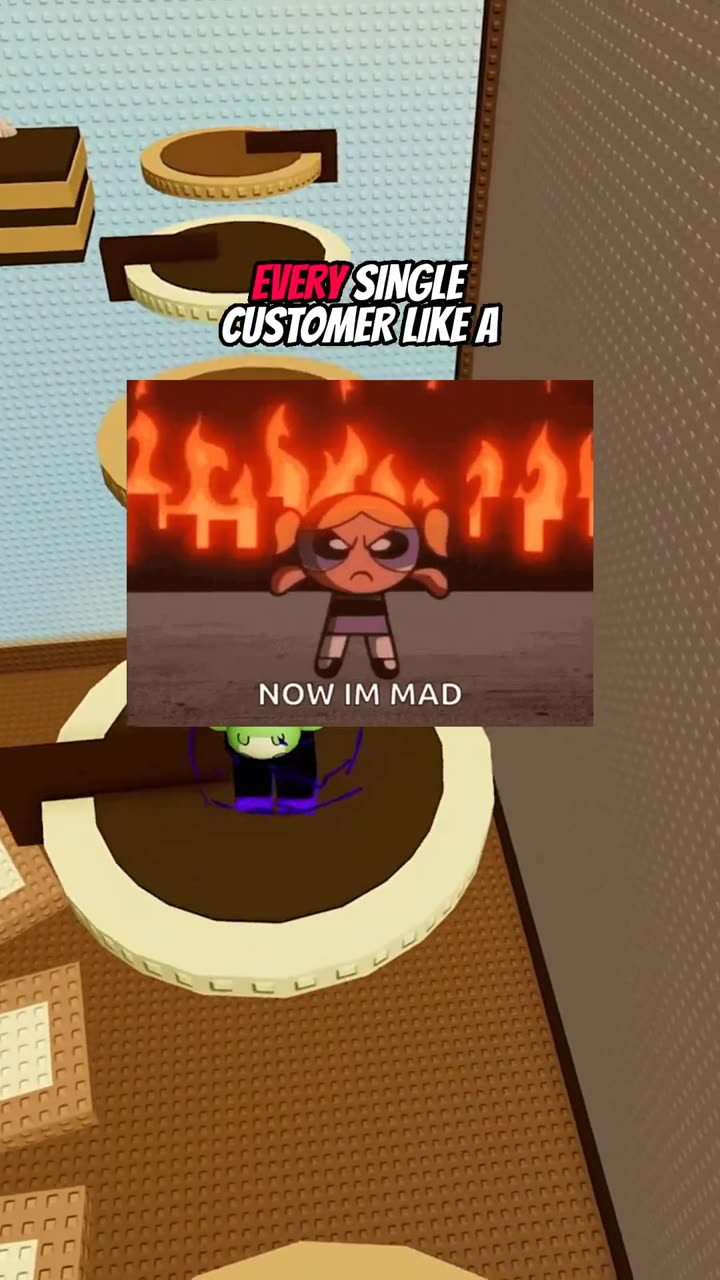
Why does format variety matter?
Format variety serves three purposes:
- Prevents audience fatigue. Viewers who see the same structure repeatedly start scrolling past. Different formats reset their attention.
- Tests what resonates. You cannot know which format your audience prefers until you try multiple. Data from mixed formats reveals preferences you would never discover with a single-format approach.
- Feeds the algorithm. Platforms surface content to different audience segments. A dialogue video might reach debate-lovers while a quiz reaches trivia fans, expanding your total addressable audience.
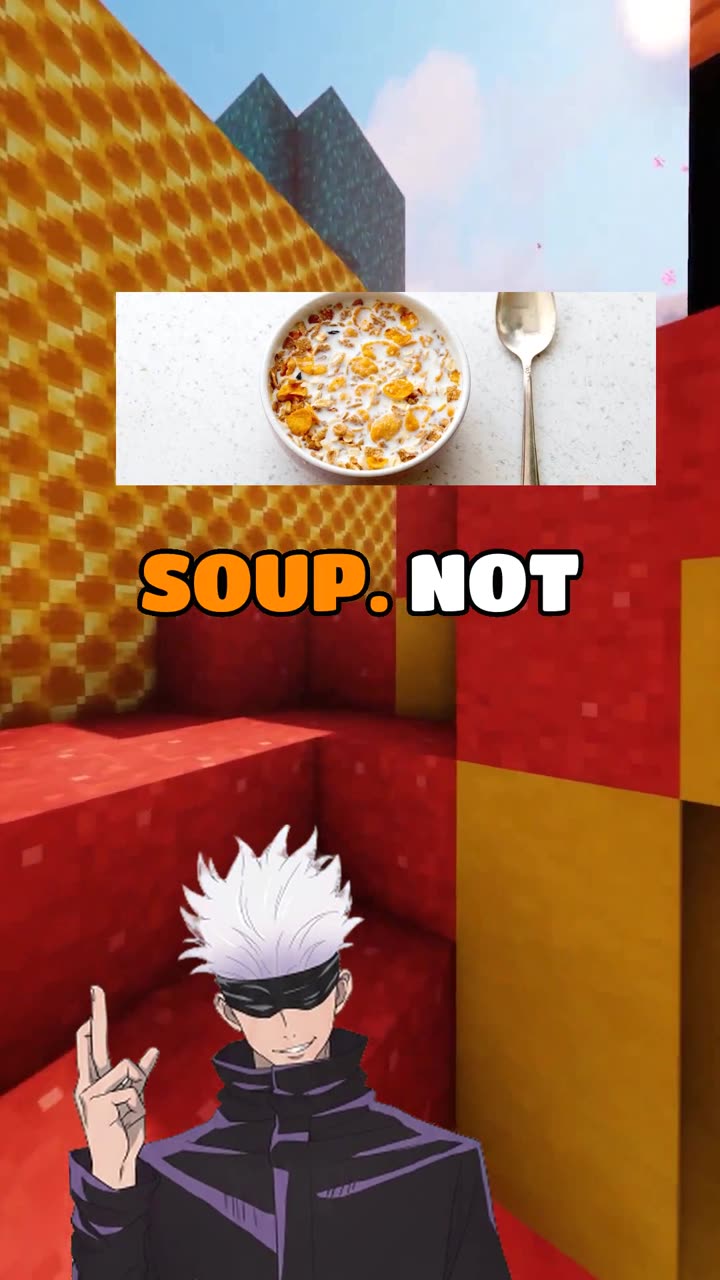
Format 1: Dialogue
Two characters discuss, debate, or argue about a topic. This is one of the highest-engagement formats because viewers naturally pick sides and want to see who "wins."
- Best for: Hot takes, controversial opinions, comparing two things, explaining pros and cons
- Why it works: Back-and-forth exchange creates natural tension and pacing. Viewers stay to see the resolution.
- Engagement driver: Comments flood in with viewers sharing which character they agree with
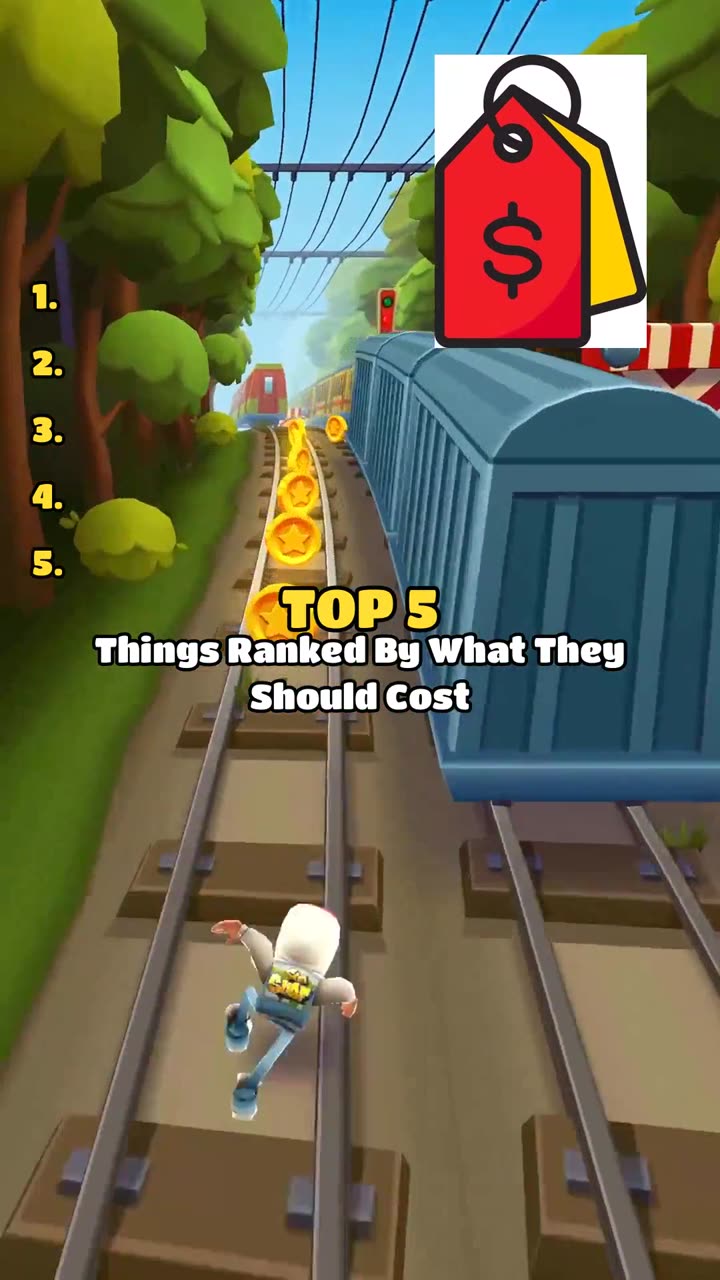
Format 2: Tier List
A character ranks items in a category from S-tier to F-tier. Simple concept, but incredibly effective for engagement.
- Best for: Pop culture rankings, product comparisons, "best of" lists, gaming tier lists
- Why it works: Everyone has opinions about rankings. The tier list format taps into that instinct to evaluate and disagree.
- Engagement driver: "How could you put X in B-tier?!" comments. Tier lists generate more comments per view than almost any other format.
Format 3: Quiz
Trivia-style questions with a pause before the answer reveal. Viewers try to answer before the reveal, which keeps them watching.
- Best for: Niche knowledge, fun facts, "did you know" content, educational niches
- Why it works: The gap between question and answer creates curiosity tension. Viewers who try to answer mentally are invested in seeing if they are right.
- Engagement driver: High completion rates. Viewers watch to the end to see the answer, which boosts the algorithm signal.
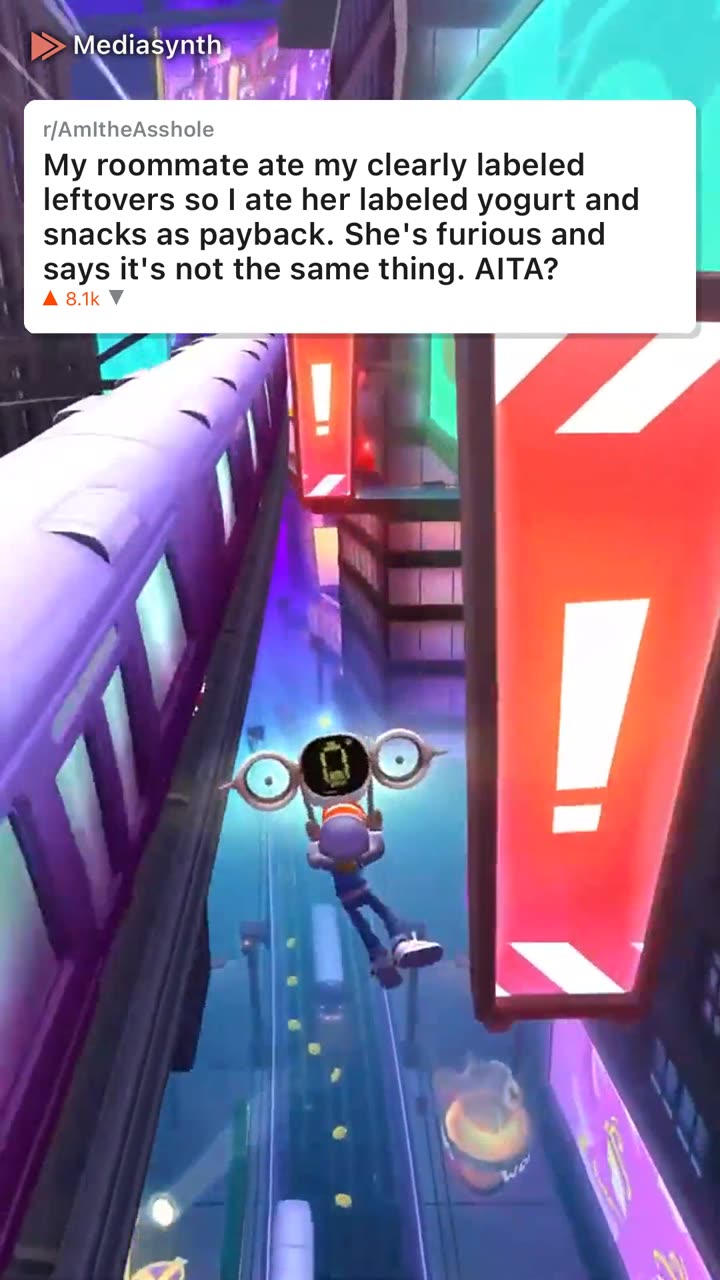
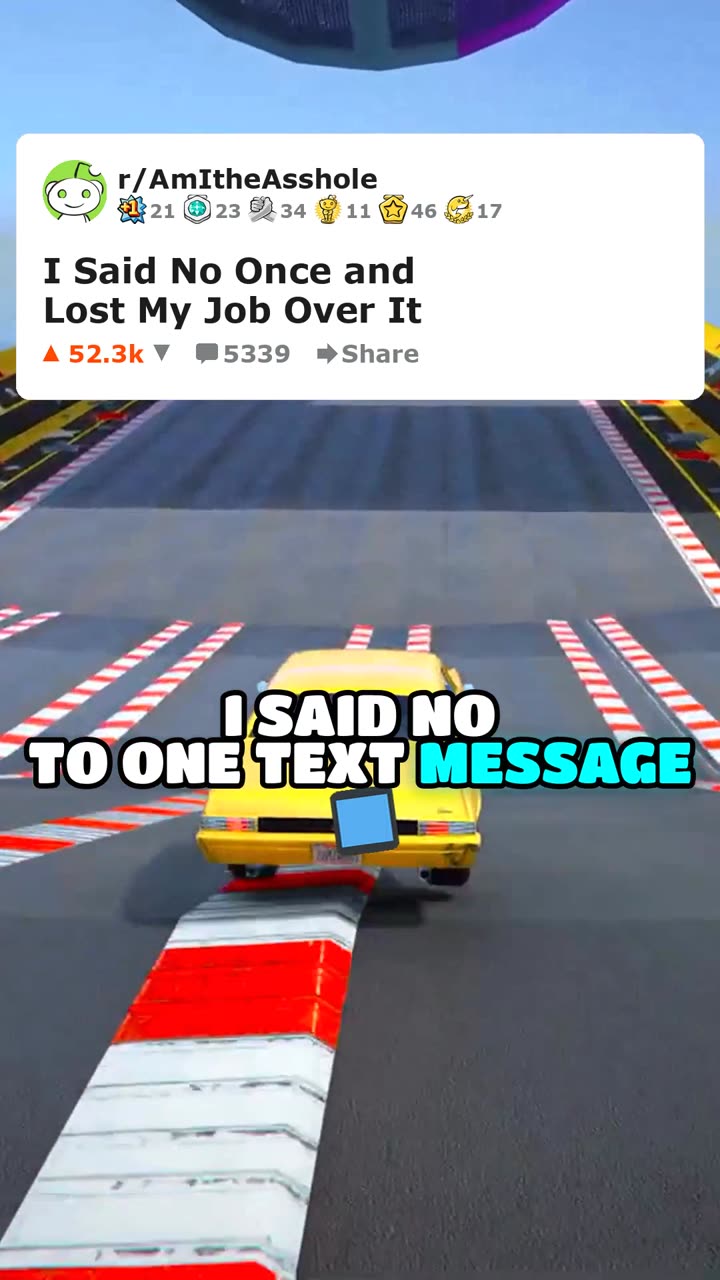
Format 4: Reddit Stories
Narrated stories sourced from community posts. This format has a massive built-in audience and proven engagement patterns.
- Best for: Drama, relationship stories, workplace situations, unusual experiences, AITA-style content
- Why it works: Story-driven content has the highest average watch time. Viewers get hooked on the narrative and need to know how it ends.
- Engagement driver: Saves and shares. People send story videos to friends more than any other format.
Format 5: Skit
Short comedic or dramatic scenes with AI characters playing roles. The most creative format and the one with the highest viral potential.
- Best for: Comedy, relatable situations, parodies, niche humor, character-driven entertainment
- Why it works: Skits are inherently shareable. When viewers find something funny or relatable, they send it to friends. This drives organic reach beyond what the algorithm provides.
- Engagement driver: Shares and rewatches. Funny content gets watched multiple times, which the algorithm counts as strong engagement.
Format 6: Rant
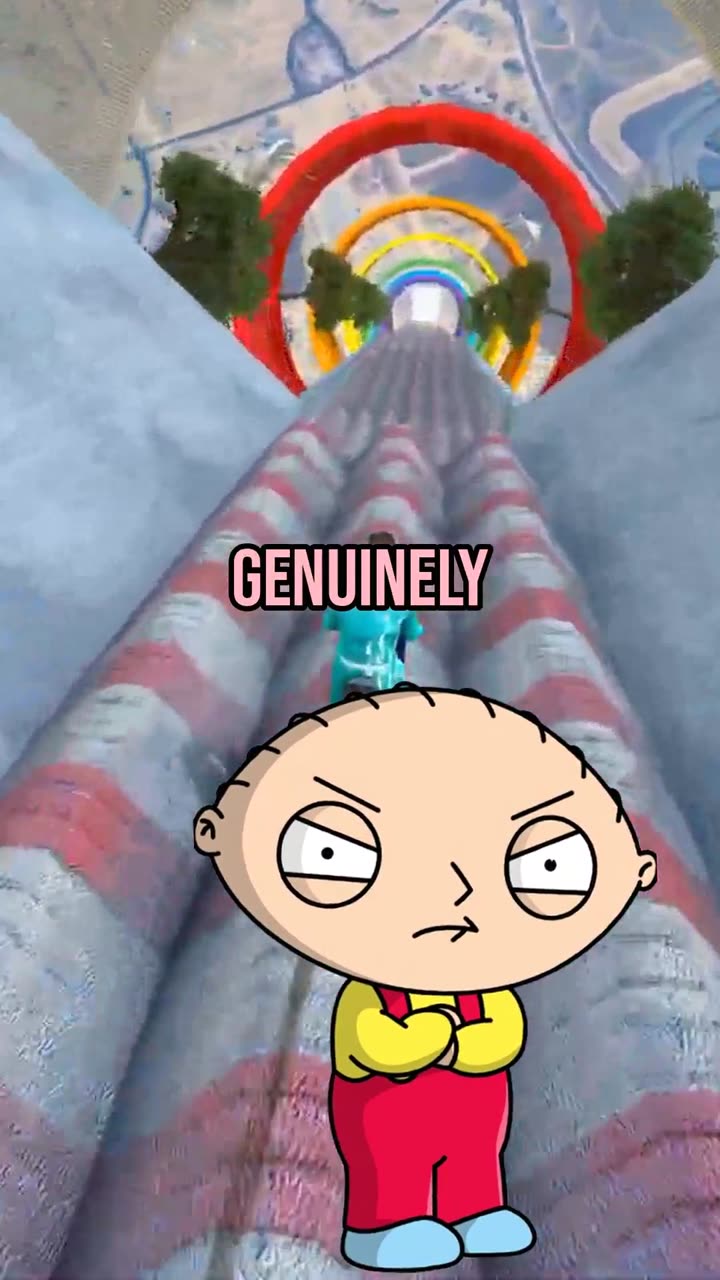
A single character delivers an opinionated monologue on a topic. Raw, direct, and fast to produce.
- Best for: Hot takes, unpopular opinions, reactions to news or trends, building channel personality
- Why it works: Strong opinions polarize, and polarization drives engagement. Viewers either strongly agree or strongly disagree, both of which lead to comments and shares.
- Engagement driver: Comments. Rants generate the most back-and-forth discussion in the comments section, which signals high engagement to the algorithm.
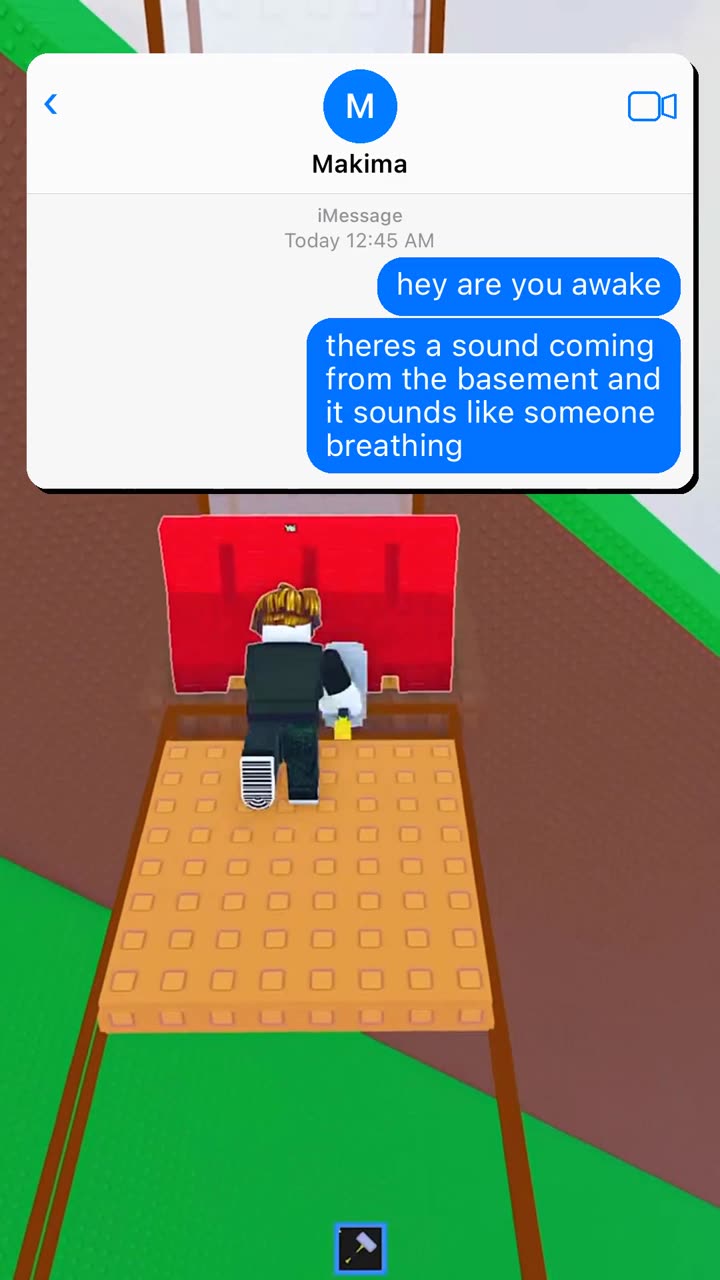
Format 7: Text Messages
Simulated text message conversations between characters. A familiar, intimate format that hooks viewers immediately.
- Best for: Drama, relationship content, funny exchanges, story reveals, mystery and suspense
- Why it works: Everyone reads text messages. The format feels personal and voyeuristic, which creates an immediate hook. Each new message creates a micro-cliffhanger.
- Engagement driver: Watch time. The reveal-per-message pacing keeps viewers watching through the entire video.
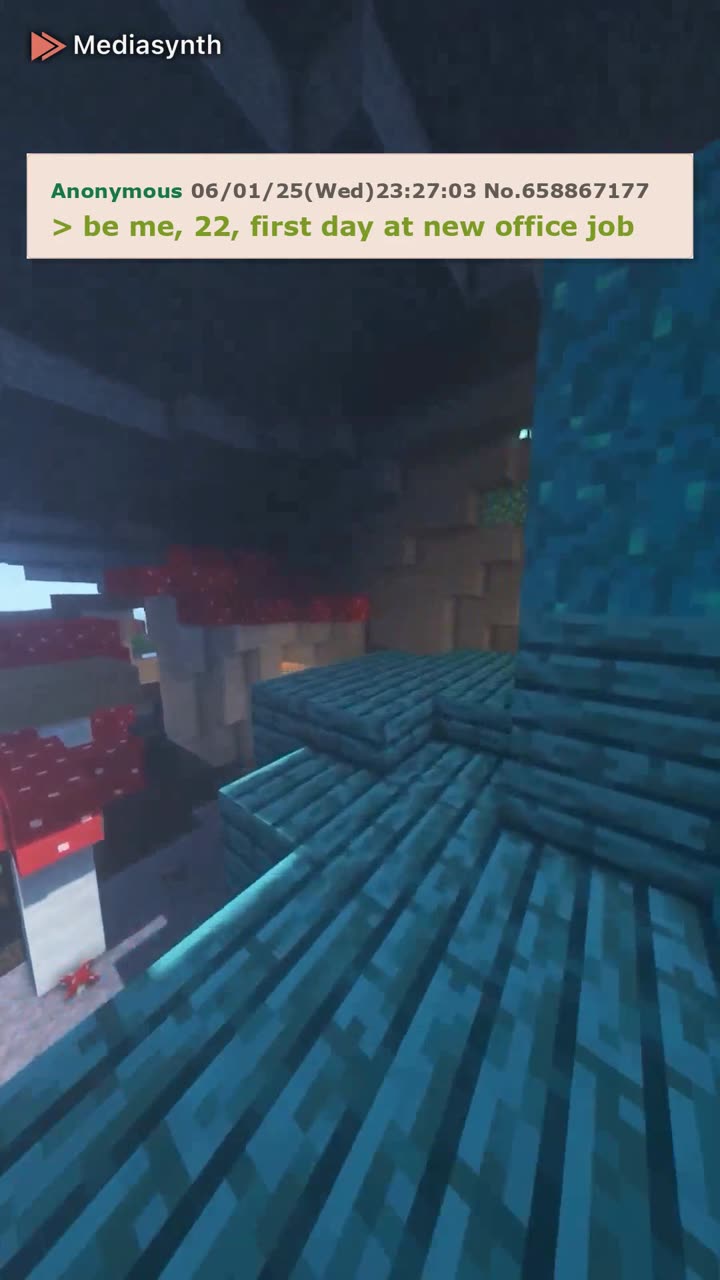
Format 8: Greentext
4chan-style "be me" stories rendered as an anonymous post that reveals one green line at a time while a deadpan narrator reads it over gameplay.
- Best for: Relatable mishaps, absurd escalations, deadpan humor, "this is so me" moments
- Why it works: The green-on-tan post is instantly recognizable, and each revealed line is a micro-beat that escalates the story — viewers stay to see how far it spirals.
- Engagement driver: Watch time and shares. The line-by-line spiral keeps viewers to the payoff, and relatable endings drive "literally me" comments.
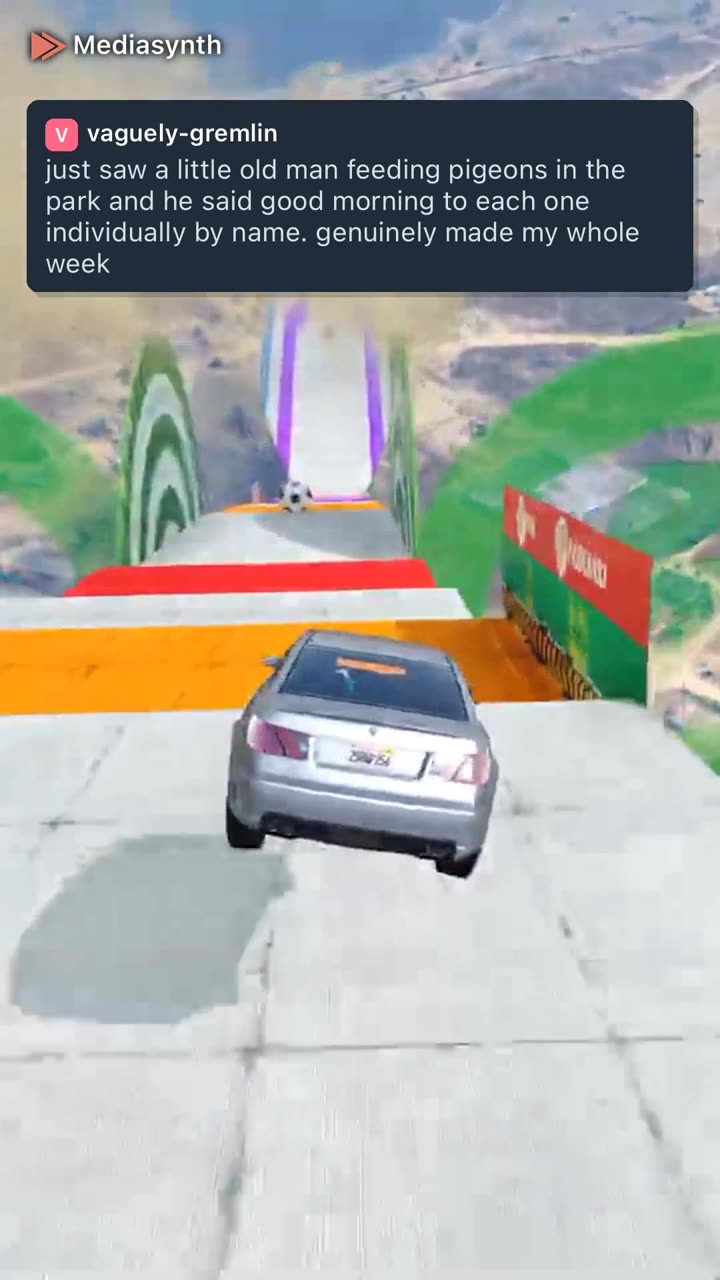
Format 9: Tumblr
A fake Tumblr reblog thread that reveals one post at a time while a cast of voices reads it — an innocent post that the rebloggers escalate into chaos.
- Best for: Chaotic humor, wholesome turns, internet-culture bits, "the comments are the content"
- Why it works: The reblog chain is instantly recognizable, and each new poster is a micro-cliffhanger — viewers stay to see how far the thread spirals.
- Engagement driver: Shares and comments. A great reblog turn is the kind of screenshot people tag their friends in.
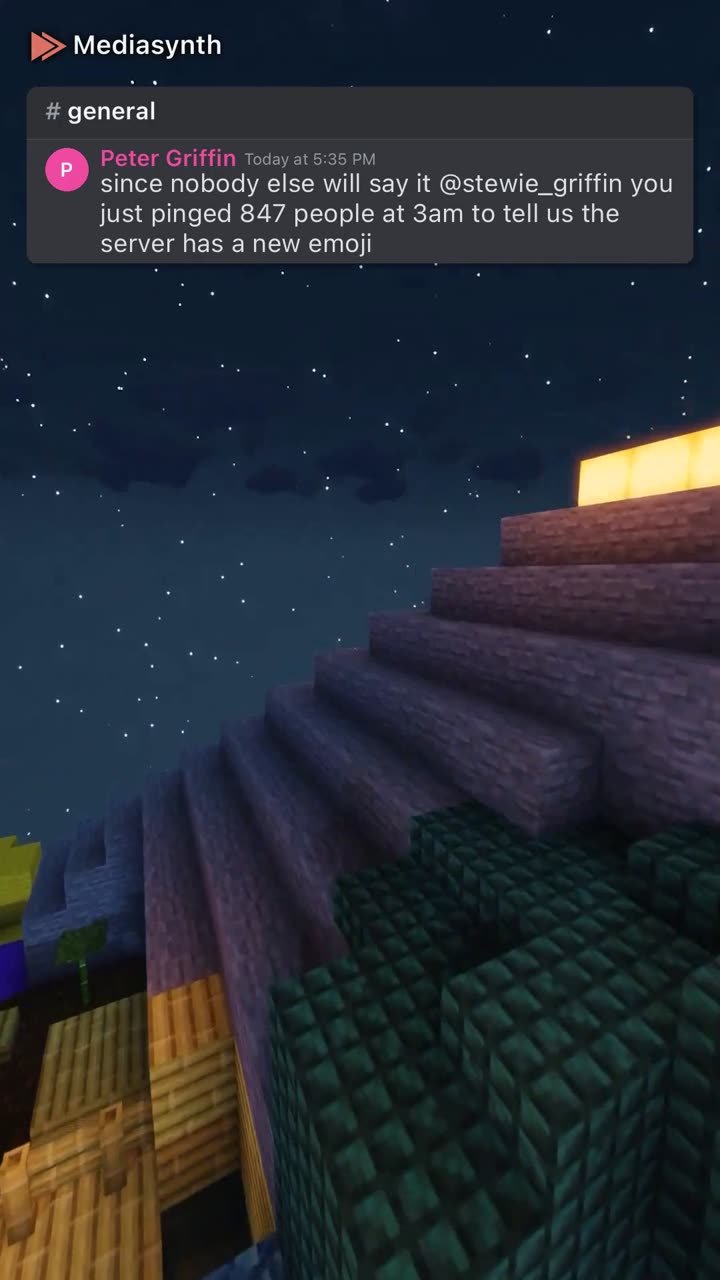
Format 10: Discord
A fake Discord chat that reveals one message at a time while a cast of voices reads it — a group of users posting in one feed as drama erupts, chaos spreads, or the server rallies.
- Best for: Server drama, friend-group chaos, "the chat lost it," chronically-online bits
- Why it works: The dark multi-user feed with colored usernames is instantly familiar to anyone in a Discord server, and each new message piling in is its own micro-cliffhanger.
- Engagement driver: Comments and shares. Relatable server drama is the kind of clip people send straight into their own group chats.
Format 11: Reddit Thread
A fake Reddit thread that reveals one comment at a time while a cast of voices reads it — a pinned post and the comment section arguing the verdict, with replies nesting under each other as the pile-on builds.
- Best for: AITA dilemmas, comment-section drama, "the replies did not hold back," verdict debates
- Why it works: The post-and-comments layout is instantly recognizable, and each new comment is a micro-cliffhanger that makes viewers stay to see whether the verdict flips.
- Engagement driver: Comments. A post that splits the room — NTA versus YTA — makes everyone want the last word.
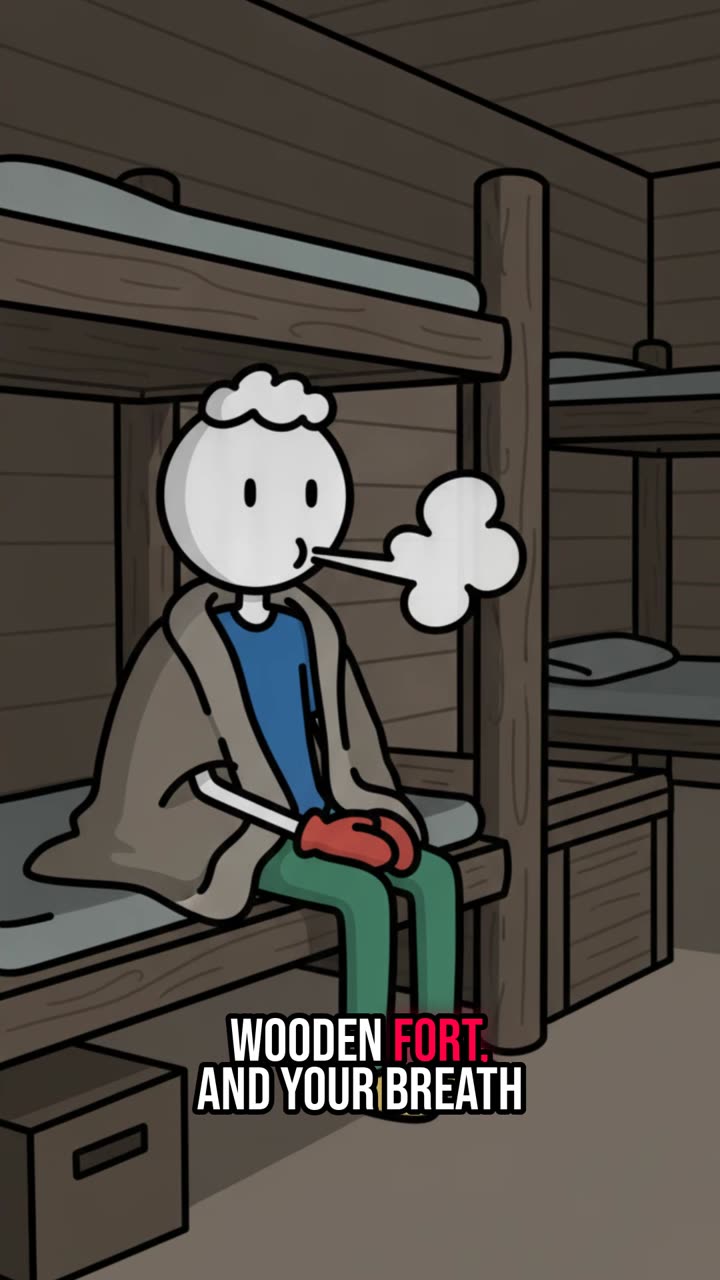
Format 12: Your Life As
Second-person narration over hand-drawn illustrations generated for the video — no gameplay footage at all. "You wake up in a toga you did not wash yourself." The viewer is the protagonist, and every sentence becomes a drawing.
- Best for: History, other jobs, other species, other centuries — any life with vivid daily texture
- Why it works: There is no stock clip of a Roman barracks at dawn. Drawing the scene means the visual matches the sentence exactly rather than approximately.
- Engagement driver: Completion. It has a real arc, so the payoff is at the end rather than the hook.
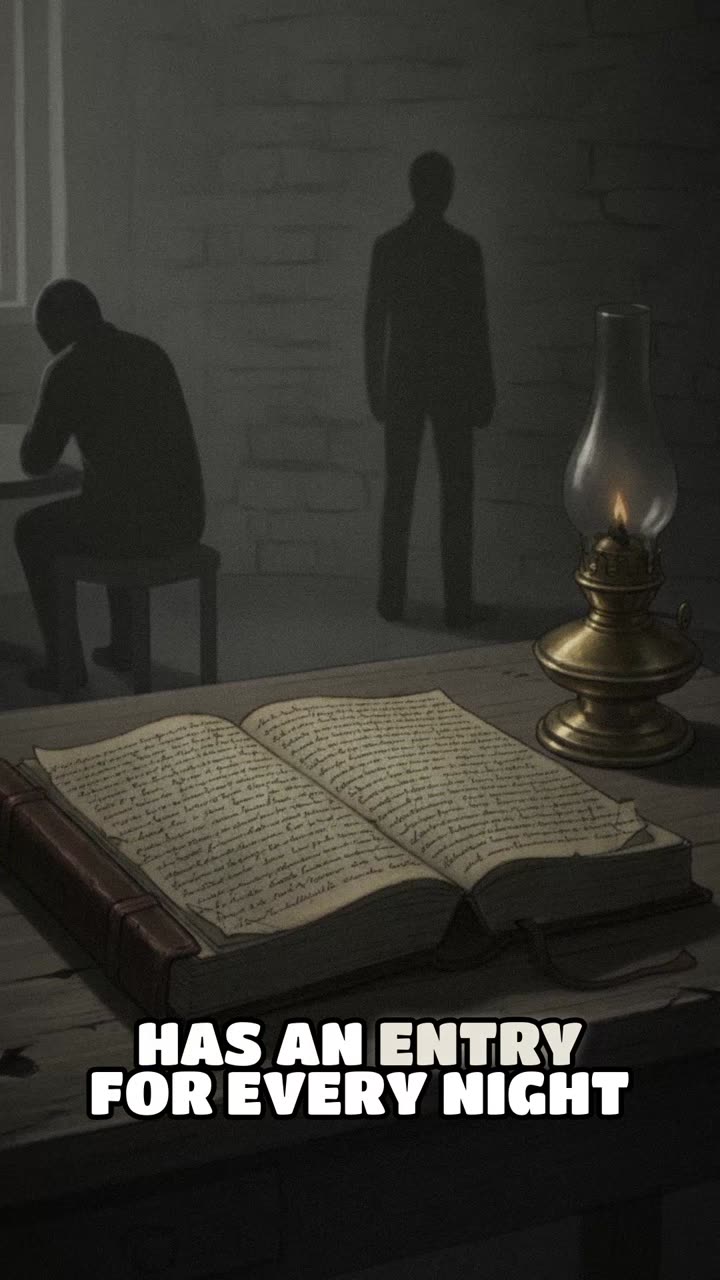
Format 13: Horror
A single horror story narrated over desaturated illustrations, with film grain and a vignette applied at render. The discipline is that it never names the feeling — it describes what was found and lets the viewer arrive there.
- Best for: Unexplained disappearances, places that feel wrong, documented cases with a gap in them
- Why it works: Horror decays with explanation, and a minute forces you to stop before you have to account for anything — which is exactly where a good horror story should end.
- Engagement driver: Rewatches and comments. An ending that refuses to explain itself is an argument.
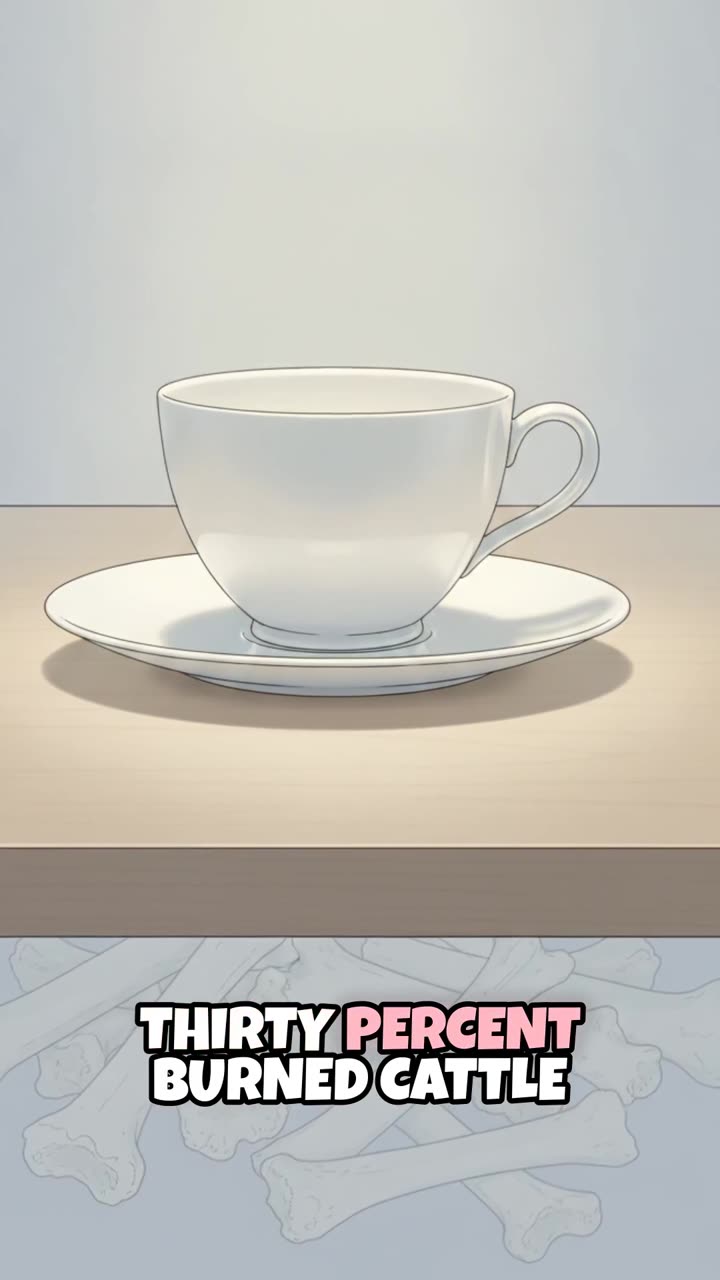
Format 14: Explainer
One surprising fact, walked one step at a time over clean diagram-style illustrations. The discipline is that line one is the fact itself, stated flat — not a question, not a promise of one, and not the century it came from.
- Best for: Etymologies, manufacturing processes, widely believed things that are wrong
- Why it works: A fact does not expire. A reaction video is worth the most on the day it goes up; an explainer earns the same in a year, so the back catalogue keeps working.
- Engagement driver: Saves and sends. People forward facts, and the algorithms weigh that above a watch.
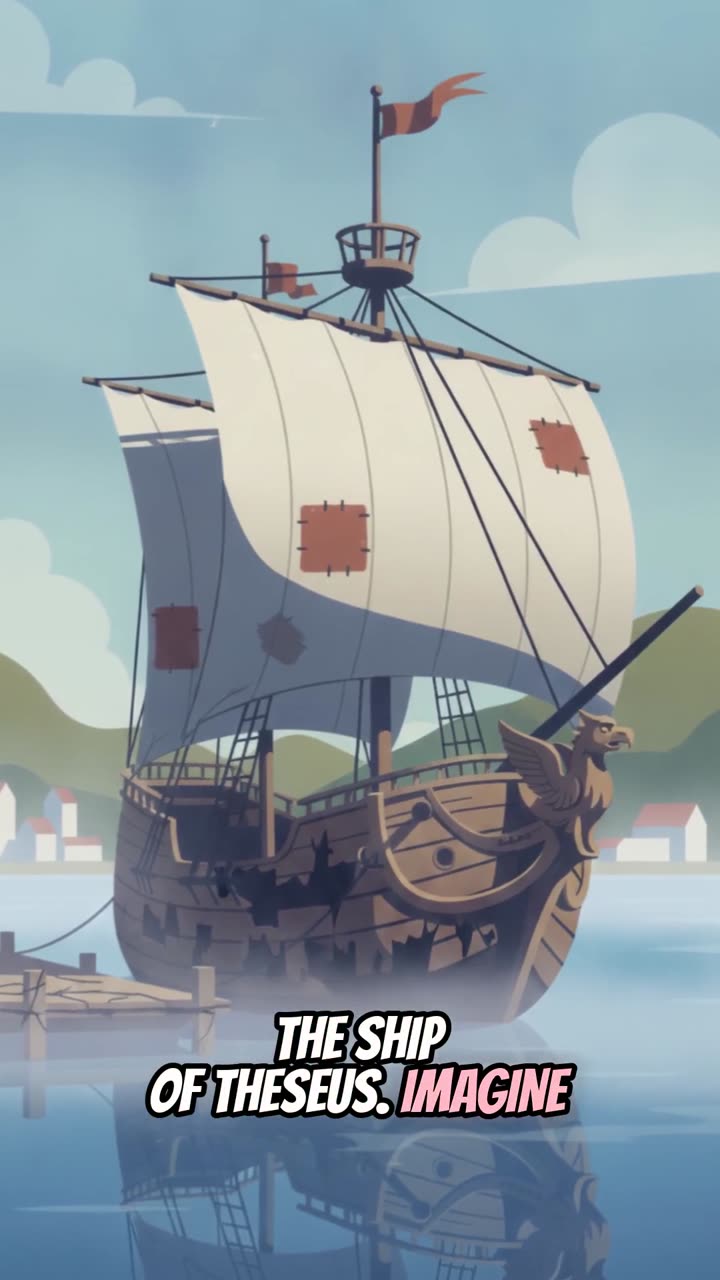
Format 15: Paradox
A conundrum named in the first three words, entered with "Imagine", and then deliberately left unanswered, over bold flat illustrations of the scene it describes. The discipline is refusing to resolve it — the moment you say "the answer is", it has become a worse explainer.
- Best for: Thought experiments, self-defeating rules, questions of identity and probability
- Why it works: You cannot watch a thought experiment passively. Following it means agreeing to each step, which is also what makes the trap land.
- Engagement driver: Comments, natively. Two reasonable people answer differently and both want to explain why.
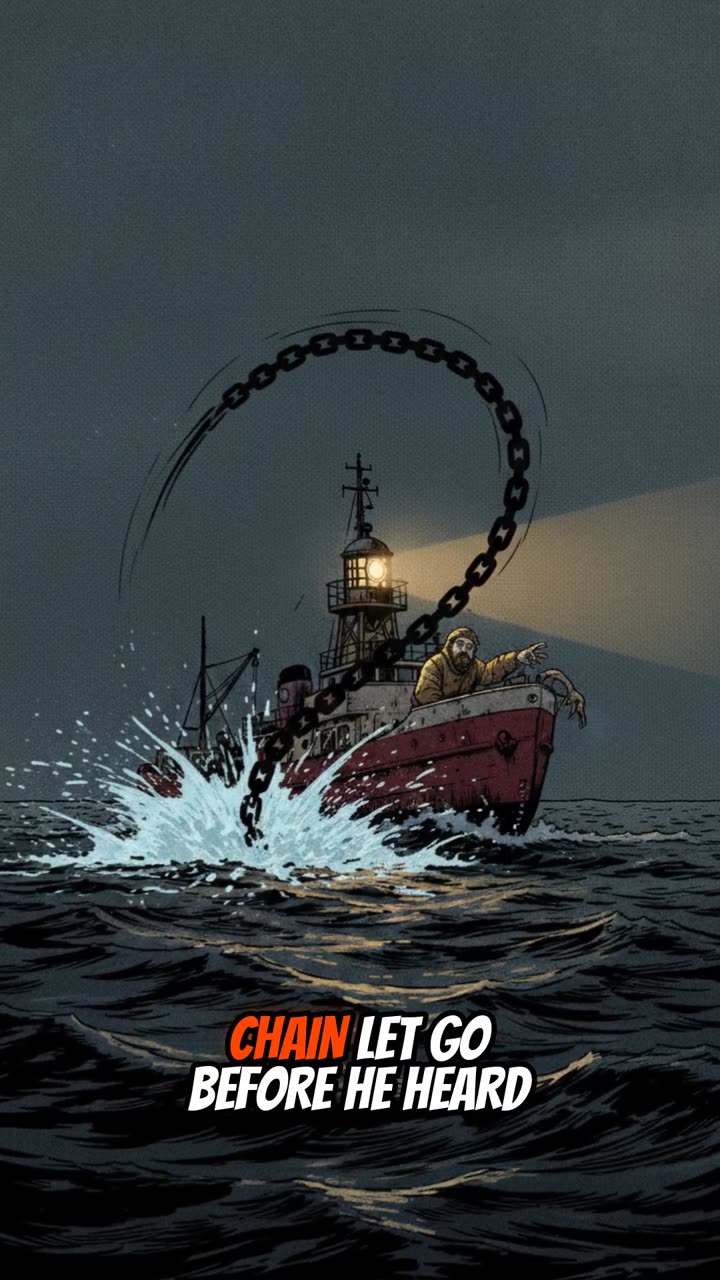
Format 16: Story
One event recounted start to finish over illustrations drawn for it — an escape, a heist, a hoax, a legend. Real or invented; the shape is the same either way. The discipline is that every line is something somebody did, and the last line is what happened, with no moral bolted onto it.
- Best for: Famous escapes and heists, hoaxes and frauds, disasters, expeditions, folklore and myth
- Why it works: Almost no short-form format gives anyone a reason to watch the last five seconds. A story does — people stay to find out whether he got over the wall.
- Engagement driver: Completion rate. The payoff is at the end, so the format is built for the metric that matters most to the algorithm.
Format 17: Carousel
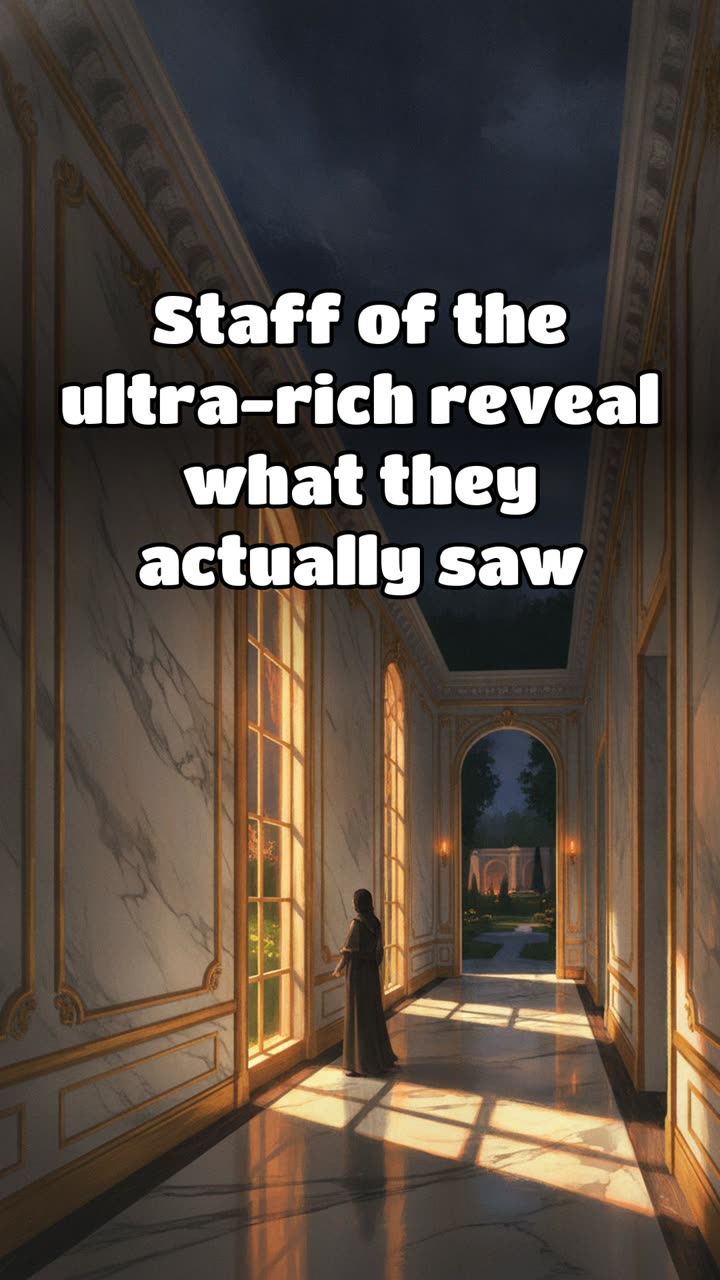
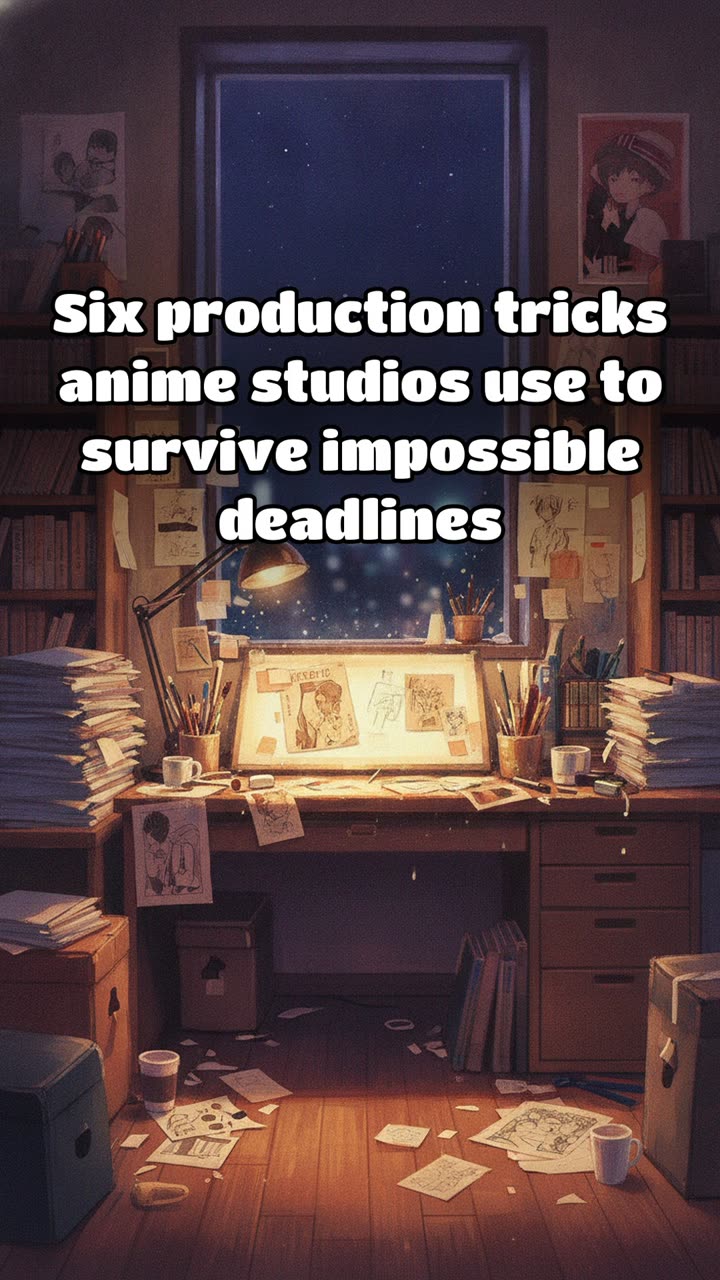
Not a video at all: a stack of illustrated slides the viewer swipes through, posted natively as a TikTok photo post and an Instagram carousel. Slide one is the promise and doubles as the cover; every slide after it carries one idea over one picture, and the strongest slide comes last.
- Best for: Tips and how-tos, things-nobody-tells-you lists, rankings, myth versus fact, stories told in beats
- Why it works: Every swipe is an interaction, and a post someone reads at their own pace is one they come back to.
- Engagement driver: Saves. Lists and steps are things people keep, and a save outweighs a view.
Format 18: Reddit Comments
A photo carousel rather than a video: an illustrated cover with a hook headline, then one Reddit comment card per slide, each a different stranger answering the same AskReddit-style question with a first-hand story. Posted natively as a TikTok photo post and an Instagram carousel, with the best answer on the first comment slide.
- Best for: People-who-work-in questions, insider confessions, strangest-thing-you-witnessed threads
- Why it works: The question promises a dozen stories, and each slide pays one off — the viewer swipes to find out what the next person saw.
- Engagement driver: Shares and comments. Viewers send the answer that got them, and add their own.
How do you build your format mix?
The ideal format mix depends on your niche, but a good starting point is:
- 40-50% your strongest format (usually dialogue or stories)
- 30-40% split across two secondary formats
- 10-20% experimental format to test new approaches
Review performance weekly and adjust the weights. If quizzes consistently outperform rants in your niche, shift the ratio. The goal is a data-driven format strategy, not a fixed one.
How do you automate the format mix?
Managing multiple formats manually is where most creators give up. They find one format that works and stick with it until engagement declines. Automation platforms like Mediasynth let you set format weights on a content premise. The system allocates each new video to a format based on your percentages, generates it end-to-end, and posts it. You get the strategic benefit of format variety without the production overhead of creating each format separately. The result is a channel that stays fresh, tests constantly, and scales without burning out its creator.
Related articles
Format guide
How to Make Reddit Comment Carousels
Step-by-step guide to making AskReddit-style comment carousels — a hook cover, then one Reddit comment per slide — for TikTok Photo Mode and Instagram.
5 min read
|
Oct 24, 2026
Format guide
How to Make AI Carousel Posts
Step-by-step guide to making illustrated photo carousels — swipeable slides — for TikTok Photo Mode and Instagram.
5 min read
|
Oct 23, 2026
Format guide
How to Make AI Story Videos
Step-by-step guide to making illustrated story videos — escapes, heists, hoaxes and legends — for TikTok, Shorts, and Reels.
6 min read
|
Aug 30, 2026
Ready to Automate Your Content?
Start generating AI-powered short-form videos and posting to all platforms automatically. Free to start.
200 free credits · No credit card required
By signing up, you agree to our Terms of Service and Privacy Policy.